A Scarf Headband: Fold, Place and Tie Without Pulling the Hairline
A scarf can sit as a loose headband while leaving the hair’s natural shape visible. Choose a suitable fabric and manageable size, then check the tie and placement for comfort. This is different from wrapping a scarf around a ponytail or using a tight head covering.
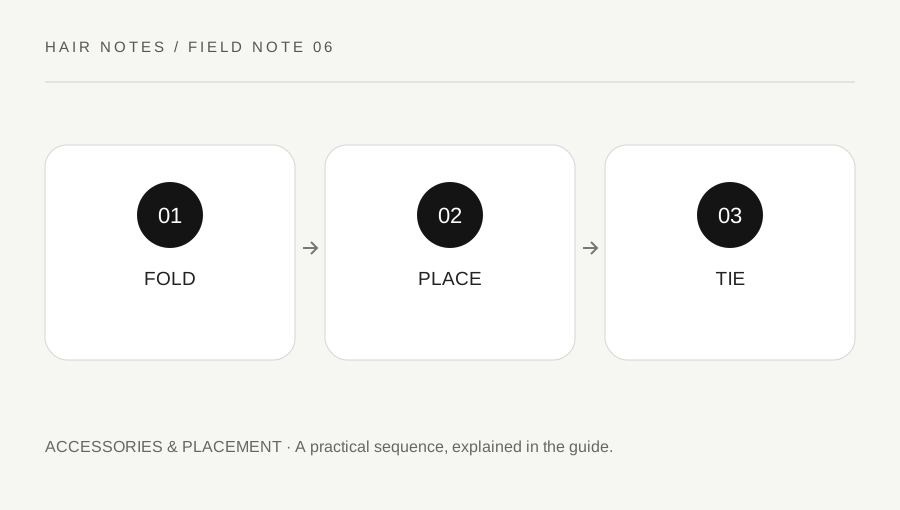
Original explanatory diagram. Examples illustrate a method or decision; they are not claims of personal testing.
Choose a manageable scarf
Use a clean scarf whose size, feel and care needs suit ordinary wear. Inspect for damaged edges or decorative parts that could snag. A very heavy or slippery item may be less practical than a simpler one for this arrangement.
Decide whether the band will be narrow or broad and fold it on a stable surface before placing it. The fold is a styling choice, not a requirement to compress the hair. Avoid adding stiff improvised inserts or sharp fasteners to make the shape hold.
Place it without dragging the hairline
Set the folded scarf where it rests comfortably and check how it interacts with ears and any glasses. Keep the hair beneath it loose rather than pulling it tightly backward first. A headband outline does not need a perfectly smoothed hairline.
Hold both ends and move them gently into the chosen tying position. If the scarf repeatedly slides, reconsider size, fabric and placement instead of making the tie progressively tighter. Stop if it creates pressure or pulling.
Make an accessible comfortable tie
Use a simple secure tie appropriate to the scarf and leave it comfortable. Check that the knot does not press against the head when seated or interfere with glasses. Keep the ends manageable for the day's activity.
Do not wear a loose scarf where equipment or workplace rules make it unsuitable. This is an ordinary styling arrangement, not protective headwear or a way to replace required equipment. A decorative detail should remain compatible with the actual setting.
Compare width and placement
Try the same scarf in a narrower fold and then a broader fold, keeping the hair arrangement unchanged. Notice which feels more stable without pressure and which amount of colour you prefer. Check side views as well as the front.
There is no universal best width for every head or hair type. Keep the version that rests comfortably. If neither does, choose another accessory or leave it out rather than adding tightness to force a photograph's appearance.
Remove and review gently
Untie the scarf without dragging it through the hair and inspect for any caught strands. Note the fold and placement that worked if you want to repeat it. Do not claim the accessory prevents breakage or suits every scalp.
For a worked note, record narrow fold, loose hair beneath, knot away from a pressure point and comfortable normal movement. Persistent scalp irritation or hair-loss concerns need appropriate professional advice. A successful styling experiment can also end with deciding that a scarf headband is not useful for the particular day or fabric.
For a patterned scarf, compare the visible motif in the narrow and broad folds without changing the underlying hair arrangement. One fold may show a quiet stripe while another shows several colours. That is a styling choice separate from comfort and stability. Check the knot against the chair or headrest you actually use, rather than only standing in front of a mirror. Keep the ends clear of unsuitable activities and remove the scarf if it becomes a distraction. Save a short note about the successful fold and placement, not a demand to reproduce the same knot tension every time.
A practical checklist
Choices are saved in this browser. Reset them here or clear this site’s browser storage.
Questions that come up
Should I tighten the scarf if it slips?
Reconsider size, fabric and placement first. Do not create pressure or pulling to force stability.
Is this protective equipment?
No. Follow the actual activity or workplace headwear requirements independently of a decorative scarf.
Must the hairline be completely smooth?
No. Keep the underlying hair comfortable and loose rather than pulling every short strand into the arrangement.
References & scope
Background references checked on 18 October 2026. Worked examples and diagrams are original teaching material.